The United Kingdom is home to an outstanding array of beautiful wildlife, yet too few of us are unfamiliar with the animals found in our forests, seas and fields. In fact, with a staggering 25% of Brits never having even seen a rabbit in the wild, it’s surely time that we started getting out of the city more often. We’ve put together a list of animals that everyone should try to catch a glimpse of at least once. You might be surprised to learn about some of the creatures that live so close to home!
See the puffin colony on Skomer island
The colourful and clownish puffin is a firm favourite among all of those that have been lucky enough to lay their eyes on one! The two most significant colonies are found on Skokholm and Skomer islands off the south coast of Wales. It’s not difficult to spot a puffin here from April to August, as an astonishing 6,000 breeding pairs return to their home this time of year. Taking a boat out to Skomer to see the puffins is an unforgettable day out.
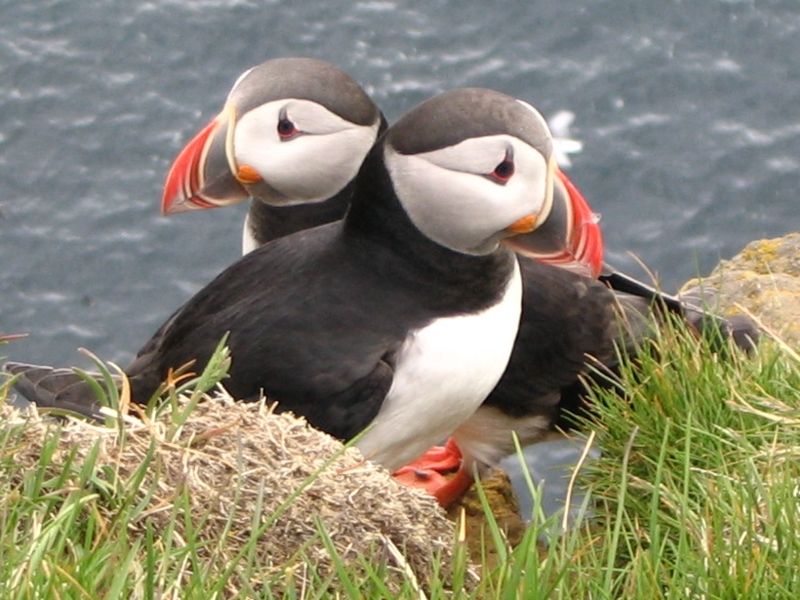
Keep your eyes on the water on the way over, and if you’re lucky you may also be accompanied by some grey seals too!
Watch dolphins play in Cardigan Bay
You may not know this, but lovable bottlenose dolphins can be found playing in British waters all year round! You normally have to be very fortunate to see one, but sightings occur everyday in Cardigan Bay, near Pembrokeshire, from June to October. This is because the UK’s biggest dolphin pod comes to chase fish here at this time of year. The presence of dolphins is reassuring to swimmers, as dolphins tend to only be found in places where the water quality is high.
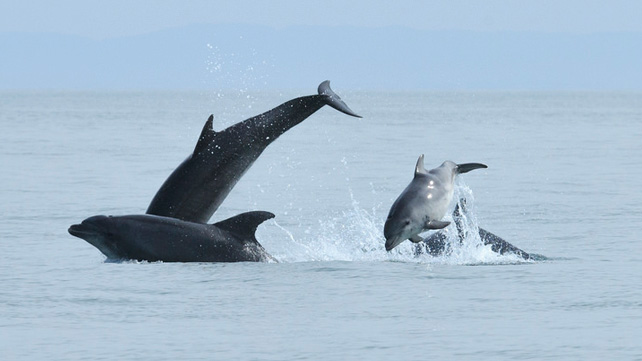
In the deeper waters of the Irish channel, more intrepid explorers might be able to catch sight of a 900 kg leatherback turtle, or a mighty fin whale – the world’s second largest creature.
Spot otters chasing leaping salmon
Otters are furry, semi-aquatic hunters that live in and out of Britain’s rivers. Watching a mother otter play with her young is one of the cutest things that you’re ever likely to see! Though still on the endangered list, otters have recovered a little since their numbers were decimated by the widespread use of chemical pesticides. But thanks to a cleaning up of our waterways, otters can now be sighted in every county in England. The Gilfach Reserve in Radnorshire is one of the best places to see this elusive animal. You’ll be in for a real treat if you come between October and December as this is when otters come to chase the salmon as they leap upstream.
Is there a hedgehog near your home?
You don’t usually have to go too far to spot a hedgehog, in fact, there’s a chance that you have one or two in your back garden already! Hedgehogs are nocturnal, which means that homeowners are usually unaware of their presence. But you can set up a sand trap to see if you have any prickly neighbours. Pour a small amount of wet sand on the ground near a hedge or bush and check back in the morning to see if you’ve got any footprints. The 1kg hedgehog will leave easily identifiable tracks if it walks over the sand.
Just 65 years ago there were 36 million of these charismatic creatures in the UK (recently voted Britain’s national species), but depressing new research estimates that numbers dipped below 1 million in 2013. Warmer winters, construction and busier roads are thought to be the main culprits. If you are an animal lover, there are a few things you can do to give the hedgehog’s in your back garden a helping hand.
Catch a glimpse of the charming red squirrel
The striking red squirrel is the only native squirrel in Britain. But it is difficult to spot these days, numbers having been badly damaged by the bigger, disease-carrying North American grey squirrel. Reports estimate that unless action is taken, the red squirrel will be extinct in the UK within the next 20 years. If you want to spot a red squirrel before it’s too late, then January to February is the best time as they are easier to spot in winter when bare trees offer little concealment. This is also courting season, and distracted reds are less worried about hiding from humans when they have the opposite sex in mind! Scotland is a great place to see red squirrels, as well as the Isle of Wight and Newborough Forest in Anglesey
This feature was supplied by Ben who is an entrepreneur who was born and bred in Conwy, a world heritage site on the North Wales coast. Ben runs Great Escapes Wales and loves exploring the Welsh countryside in his free time.

Leave a Comment